Postflop poker exercises: discover the new Level 5
Eight bluffing, hero call, value betting and semi-bluff exercises to understand postflop EV through given frequencies and range analysis.
2026-11-08 14:30:12 — Tools of Poker
November 8, 2026, 2:30:12 PM UTC — Tools of Poker
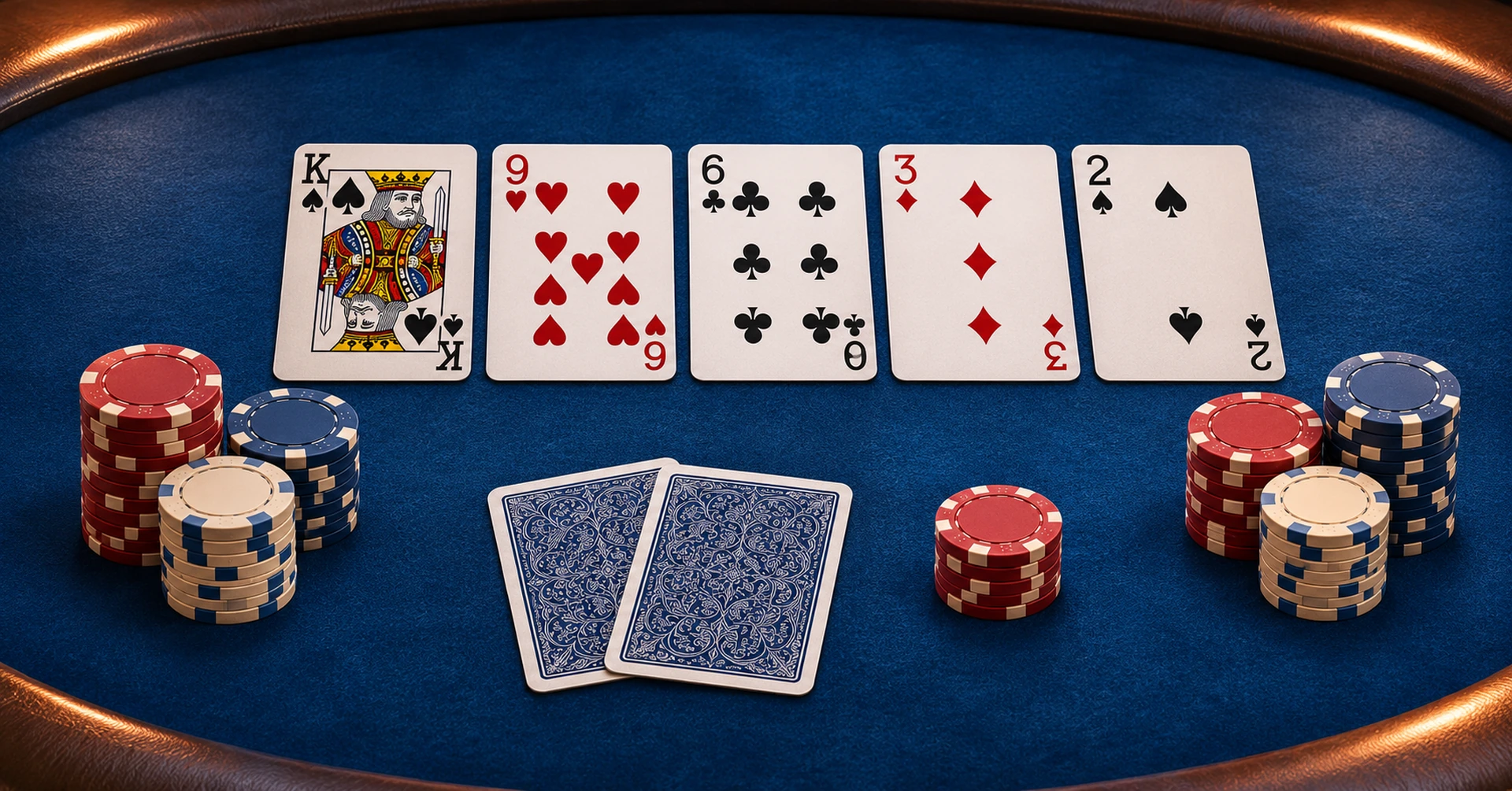
When is a bluff worth attempting? What do you need to call a river bet? And what changes when your hand can still improve? Tools of Poker’s new Level 5, Profitability and postflop decisions, brings together eight exercises to study these questions.
The aim is to connect the maths with the decision: understand what you gain when a play works, what you lose when it fails and how your opponent’s responses matter. Expected value, or EV, compares possible outcomes weighted by their frequency. It does not predict the result of an individual hand.
Two ways to study a decision: frequencies and ranges
Each block has two versions. One starts with given frequencies so you can focus on the calculation. The other incorporates range analysis: alongside working with percentages, you interpret which hands belong in the scenario and how they affect the decision.
This separation lets you study risk and reward first, then the source of the estimates. A percentage is only useful if you understand what it represents and which group of hands it describes.
River bluffs: understand how many folds you need
5.1. River bluff with fold frequency
This exercise studies when trying to take down the pot can have positive EV. A given fold frequency lets you relate your bet size to the pot you are trying to win without first constructing an opponent’s range.
For example, in a pure bluff model, betting 50 into a pot of 100 needs more than one third (approximately 33.33%) folds to be profitable relative to giving up. With 40% folds, EV is 0.40 × 100 − 0.60 × 50 = +10. The model assumes you lose the bet when called and excludes rake.
5.2. River bluff with range analysis
The second version connects that question with your opponent’s hands. It helps you reason about which part of a range can continue and which part can fold, instead of treating the fold frequency as an isolated number.
The learning step is to move from “they might fold” to a justified estimate. It also reinforces that counting hand classes is not the same as counting combos: known cards and range composition matter.
River hero calls: put a price on catching a bluff
5.3. River hero call with bluff frequency
A hero call is not justified simply because your hand can win occasionally. This exercise compares bluff frequency with the price of calling so you can understand how often you need to be right.
For example, if the pot is 100 before your opponent bets 50, calling costs 50 and the final pot would be 200. In a model where you beat only bluffs and lose to all value hands, break-even is 25% bluffs within the betting range, with no ties or rake.
5.4. River hero call with range analysis
The focus shifts from a supplied frequency to the composition of the betting range. It helps you distinguish value hands from bluffs and assess whether your hand wins often enough against that group.
The reference is the range that reaches this spot and bets, rather than every hand the opponent could have started with. A blocker can remove value combos, bluff combos or both: its effect depends on the specific range.
Value bets: understand which worse hands call
5.5. River value bet with given frequencies
A strong hand does not guarantee that betting has the highest EV. This exercise studies the value of a bet using the stated frequencies, with attention to what happens when the opponent responds.
It helps distinguish winning the pot from extracting additional value. If a bet folds out worse hands and gets action only from better hands, reconsider what it adds compared with checking.
These exercises compare betting EV with checking EV, where checking closes the showdown. All hands assigned to fold lose to Hero; callers may win, lose or tie. The key result is the advantage of betting over checking, rather than merely a positive betting EV. The model excludes raises and rake.
5.6. River value bet with range analysis
The range version applies that idea to the actual hands that can continue. The central question is which of those hands lose to yours and which beat you.
It is a way to study thin value without reducing the decision to labels such as “top pair” or “strong hand”. Profitability depends on the opposing range’s response and the alternatives considered.
Semi-bluff all-ins: combine fold equity and equity
5.7. Semi-bluff all-in with given fold frequency and equity
Unlike a pure river bluff, a semi-bluff can win even when called because the hand retains a chance of winning at showdown. This exercise combines two distinct components: taking the pot when the opponent folds and the expected result when they continue.
Do not simply add fold equity and equity as though they were the same probability. Your hand’s equity when called applies to the call branch, accounting for the final pot and additional money at risk.
Hero faces a bet on the flop or turn, and the all-in is compared with folding now rather than every possible alternative. The displayed pot already includes the opponent’s bet: if they call, they add only the amount still needed to match Hero’s all-in. This avoids counting that bet twice.
5.8. Semi-bluff all-in with range analysis
This version adds the study of opposing hands. It helps explain why equity against an entire range can differ from equity against the part that calls an all-in.
The aim is to connect Hero’s draw with the continuing range. Having many outs is not enough on its own: which outs actually win and the cost of contesting the pot also matter.
In the range version you count combos and their assigned responses to obtain the fold frequency. Equity against the calling range is supplied at every difficulty: use the displayed percentage, retaining the precision of the remaining calculation until the final answer. You are not asked to reconstruct that equity by counting all possible runouts.
How to integrate Level 5 into your study
Start with given frequencies, then move to range analysis. Before calculating, identify the current pot, your additional risk, the possible outcomes and the decision against which you are comparing EV.
If an answer surprises you, review the reasoning before repeating the arithmetic. Confusing the final pot with net profit or using equity against the wrong range can change the entire conclusion.
The new level connects pot odds, combinatorics and equity with concrete postflop decisions. Use the Tools of Poker exercise catalogue to plan your study. The examples in this article are educational models; each exercise’s assumptions define what you are practising.